 admin
admin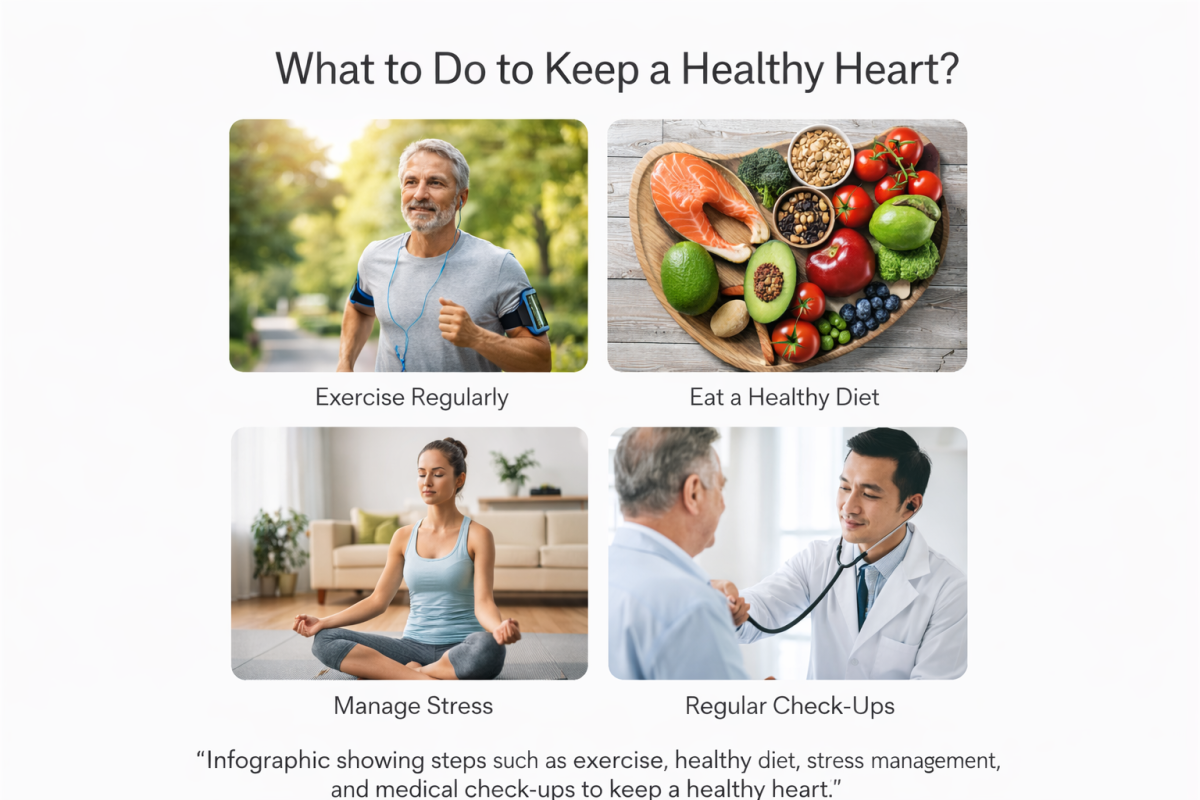
The heart is one of the most vital organs in the human body. It works continuously to pump blood, deliver oxygen, and transport essential nutrients to every cell. Despite its importance, cardiovascular disease remains the leading cause of death globally, according to the World Health Organization (WHO).
The good news is that heart disease is largely preventable. The American Heart Association (AHA) reports that up to 80% of premature heart disease and stroke can be prevented through healthy lifestyle choices. This article explains what to do to keep a healthy heart, using evidence based strategies that support long term cardiovascular wellness.
Why Heart Health Is So Important
Your heart beats more than 100,000 times per day. Over time, poor diet, physical inactivity, chronic stress, smoking, and excess weight can damage blood vessels and weaken heart function. Maintaining heart health not only reduces the risk of heart attack and stroke but also improves energy levels, mental focus, and overall quality of life.
1. Follow a Heart Healthy Diet
A balanced diet is the foundation of good heart health. What you eat directly affects cholesterol levels, blood pressure, and inflammation.
Best Foods for Heart Health
- Fruits and vegetables: Rich in antioxidants that protect blood vessels
- Whole grains: Help lower LDL (bad) cholesterol
- Fatty fish (salmon, sardines): High in omega 3 fatty acids that reduce inflammation
- Nuts and seeds: Support healthy cholesterol balance
- Olive oil: A source of heart healthy monounsaturated fats
A large study published in The New England Journal of Medicine found that people following a Mediterranean style diet had a 30% lower risk of heart disease.
Foods to Limit
- Processed and packaged foods
- Sugary drinks and desserts
- Excess sodium
- Trans fats and fried foods
2. Exercise Regularly to Strengthen the Heart
The heart is a muscle, and regular physical activity makes it stronger and more efficient.
Recommended Physical Activity
According to the WHO, adults should aim for:
- 150 minutes of moderate intensity exercise per week, or
- 75 minutes of vigorous intensity activity
Heart Friendly Exercises
- Brisk walking
- Cycling
- Swimming
- Dancing
- Strength training (2 days per week)
Regular exercise improves circulation, lowers blood pressure, supports weight management, and reduces heart disease risk.
3. Maintain Healthy Blood Pressure and Cholesterol Levels
High blood pressure and elevated cholesterol are major risk factors for cardiovascular disease.
Key Facts
The Centers for Disease Control and Prevention (CDC) reports that nearly 1 in 2 adults has high blood pressure, often without noticeable symptoms.
How to Keep Levels Healthy
- Reduce sodium intake
- Eat potassium rich foods (bananas, spinach, beans)
- Avoid trans fats
- Stay physically active
- Monitor blood pressure and cholesterol regularly
For most adults, a healthy blood pressure target is around 120/80 mmHg.
4. Manage Stress to Protect Your Heart
Chronic stress increases cortisol and adrenaline levels, which can raise blood pressure and damage arteries over time.
Effective Stress Management Techniques
- Deep breathing or meditation
- Yoga and gentle stretching
- Spending time in nature
- Maintaining social connections
- Getting 7–9 hours of quality sleep
Research from the American Psychological Association shows that chronic stress is strongly linked to an increased risk of heart disease.
5. Maintain a Healthy Weight
Excess body weight increases the heart’s workload and raises the risk of diabetes, hypertension, and high cholesterol.
Why Modest Weight Loss Matters
The National Heart, Lung, and Blood Institute (NHLBI) states that losing just 5–10% of body weight can significantly improve cardiovascular health markers.
Healthy Weight Tips
- Practice portion control
- Eat fiber rich foods
- Stay active daily
- Limit sugary beverages
6. Quit Smoking and Limit Alcohol Consumption
Smoking damages blood vessels, reduces oxygen supply, and accelerates plaque buildup in arteries.
Important Statistics
According to the CDC, smokers are two to four times more likely to develop heart disease than non smokers.
If you drink alcohol:
- Men: Up to 2 drinks per day
- Women: Up to 1 drink per day
Excess alcohol raises blood pressure and weakens the heart muscle.
7. Get Regular Heart Health Checkups
Routine medical checkups help detect early signs of heart disease before serious complications develop.
Recommended Screenings
- Blood pressure
- Cholesterol levels
- Blood sugar
- Body mass index (BMI)
Early detection allows timely lifestyle changes and medical intervention.
Keeping a healthy heart requires consistent, informed lifestyle choices. By eating a heart healthy diet, exercising regularly, managing stress, maintaining a healthy weight, avoiding smoking, and attending regular health checkups, you can significantly reduce your risk of cardiovascular disease. Supported by guidance from trusted organizations such as the WHO, AHA, and CDC, these practical steps help protect your heart and support long term wellness.

Health & lifestyle content researcher focused on preventive wellness, fitness habits, and practical healthy living. Articles are created based on research, editorial guidelines, and real-world lifestyle insights.