 admin
admin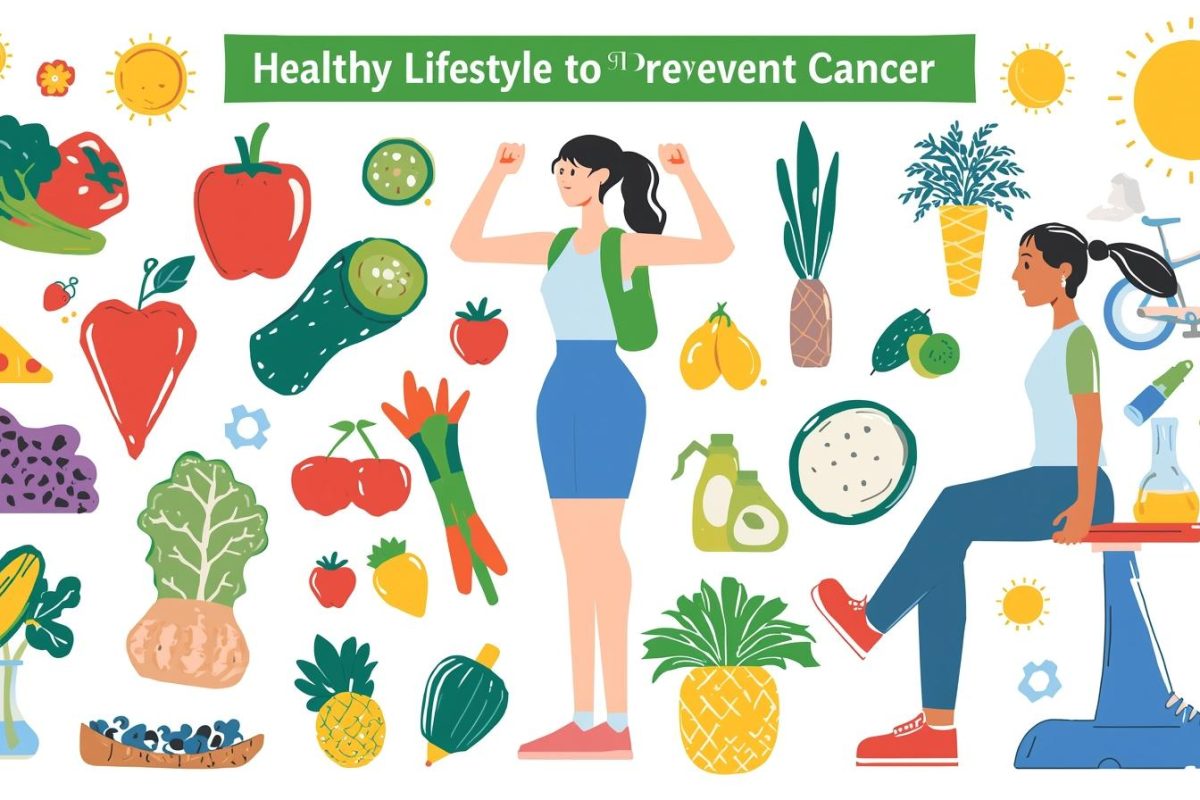
Cancer prevention is a topic that impacts everyone. Hold on, before you assume this will be just another lecture that you have to give up all the things you like, please read further. Adopting a healthier lifestyle to prevent cancer doesn’t require you to live like a nun or give up your favorite pleasures. Making smarter decisions that reduce risk and still enjoy life is what it’s all about.
Research shows that lifestyle changes can prevent 30-50% cancers. This is a significant figure, which means that we can do more than we think.
Understand the connection between lifestyle and cancer.
When cells start to grow abnormally, cancer can develop. Lifestyle factors are more important than age or family history.
What’s the good news? The good news? Many of the habits that lower cancer risk also improve overall health, energy levels, and quality of life. You’re also investing in your daily well-being by reducing your risk of cancer.
You are what you eat.
We’ll start with food. You can prevent cancer by eating a healthy diet. However, you don’t have to follow a fad or only drink kale juice (unless that’s what you prefer).
Focus on Plant-Based Foods
Fill at least two-thirds of your plate with fruits, vegetables, whole grains, and legumes. They are rich in fiber, vitamins, minerals, and phytonutrients, which protect cells against damage. Compounds found in colorful vegetables, such as broccoli, carrots, and tomatoes, work to prevent cancer.
Fiber in whole grains, such as brown rice, quinoa, and wheat, helps keep your digestive system healthy. Digestive health has been linked with lowered colorectal cancer risk.
Limit Red and Processed Meat
It’s not necessary to go vegetarian. However, reducing processed meats, such as bacon, hot dogs, and deli meats, as well as red meat, can make a significant difference. These foods are linked to an increased risk of cancer, especially colorectal cancer. Make meat an accompaniment to your meal, rather than the star. Additionally, consider exploring other plant-based protein sources, such as lentils, beans, and tofu.
Sugar and Processed Foods: Beware!
Sugar and highly processed food are major factors in obesity. Obesity is a cancer risk factor. It doesn’t necessarily mean you should never eat dessert again, but it does mean that you need to be aware of how frequently cookies, snacks, and sweet drinks are consumed.
The importance of movement is greater than you think.
Exercise is not just for weight loss. It reduces the risk of cancer through multiple mechanisms. Exercise regulates hormones, boosts immunity, and improves digestion while reducing inflammation.
It is recommended that you do at least 75 minutes of intense activity per week or 150 minutes of moderate exercise. This is only 30 minutes a day, 5 days a week. Take the stairs during your lunch break, walk around while you cook dinner, or play with pets and children.
It’s important to find activities that you enjoy. You’ll be more motivated to exercise if you don’t see it as punishment.
Keep a Healthy Body Weight
The risk of cancer is increased by obesity, which includes breast, colon, and kidney cancer. The excess body fat can produce hormones and inflammatory substances which promote the development of cancer.
You don’t have to reach an arbitrary “perfect weight. If you are overweight, even modest weight loss of 5-10% can reduce your cancer risk.
Ditch Tobacco and Limit Alcohol
It’s a non-negotiable. The use of tobacco is responsible for about 30 percent of cancer-related deaths. It also causes other cancers, not just lung cancer. Quitting smoking is the most effective way to prevent cancer.
Moderate drinking can be tricky because it is normalized socially, but alcohol does raise cancer risks, especially for colorectal, breast, and liver cancers. Stick to the recommended limits of one drink per day for women and two drinks per day for men. If this is too much for you, consider reducing your intake.
Sun Protection Counts Too
The most common form of cancer, skin cancer, is also the easiest to prevent. Wear protective clothing and use sunscreen that has at least 30 SPF. Also, avoid tanning booths during the peak hours of sunlight (10 AM to 4 PM). Enjoy outdoor activities, but do so smartly.
Receive regular screenings
Cancer screenings, combined with a healthy lifestyle, are the most effective way to prevent cancer. Screenings, such as mammograms and colonoscopies, can detect cancers at an early stage, when they are most treatable. Please consult with your doctor to determine the screenings you require and their frequency.
Stress Management and Sleep Prioritization
Stress and sleep disruptions can affect your hormone and immune systems, increasing the risk of cancer. Although more research is required, maintaining good sleep (7-9 hours per night) and employing stress-management techniques, such as meditation, exercise, hobbies, or spending time with family, can help improve overall health.
The Bottom Line
It’s not about being perfect, but about making better choices consistently. It’s not necessary to change your life all at once. Make small changes and make them a habit. Then add to it over time.
These lifestyle changes won’t prevent you from getting cancer, but will reduce it dramatically. They’ll also make you feel much better now. This is a good return on your investment. You’ll thank yourself in the future for the choices you make today.

Health & lifestyle content researcher focused on preventive wellness, fitness habits, and practical healthy living. Articles are created based on research, editorial guidelines, and real-world lifestyle insights.