
 admin
admin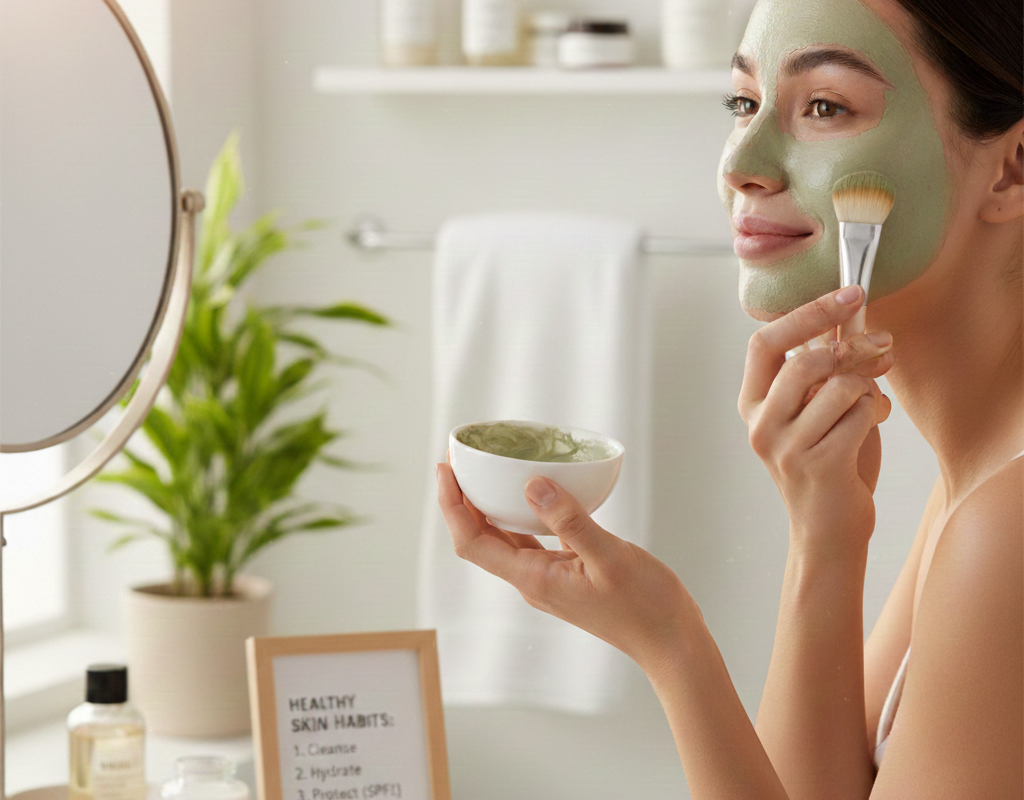
Obtaining and maintaining beautiful, radiant skin is an aim shared by millions of people around the world. Many skincare products promise excellent results, but real skin glow comes from a comprehensive approach that incorporates proper skin care practices, nutrition, habits, and protection against environmental harm. This complete guide outlines scientifically supported strategies to help you create naturally glowing skin that reflects your health.
Understanding healthy skin more than surface deep
The skin of a healthy person is smooth, even-toned, well-hydrated, and elastic. The natural glow of your skin is something which cannot be duplicated with makeup on its own. Your skin is the largest organ in your body and a reflection of your overall well-being. If you nourish your body well, protect your skin from harm, and follow a consistent care routine, your vitality manifests in a beautiful appearance.
The health of the skin depends on many factors that work together. Hydration is essential to maintain the elasticity and plumpness of your skin. Nutritional supplements are crucial for collagen repair and cell production. Protecting your skin from sun damage can help delay premature ageing and other forms of damage. Sleeping well allows the skin to rejuvenate. These elements, together, form the foundation for truly healthy, glowing skin.
The Essential Daily Skincare Habits You Must Follow for Glowing Skin
The Foundation: Cleansing it properly
Cleansing is at the heart of a healthy skincare routine. Every day, your skin is prone to accumulating dirt, oil, pollution particles, and bacteria that can clog your pores and lead to breakouts. Proper cleansing removes dirt and impurities while also protecting your skin’s natural barrier.
Cleanse your face twice a day: once in the morning to remove the overnight buildup of oil and products. Then wash your face before bed to remove the buildup of sunscreen, makeup, dirt, and pollution. Make sure to use lukewarm water rather than hot, which could strip the natural oils that help prevent irritation or dryness.
Select a mild cleanser that is suitable for the type of skin you have. People with oily skin can benefit from foaming or gel cleansers, whereas those with sensitive or dry skin should choose cream- or oil-based cleansers. Rub the cleanser on your face with gentle circular movements with your fingers for 30 to 60 seconds. Rinse thoroughly, then pat your face dry with a clean towel.
Be careful not to scrub your skin too vigorously, regardless of whether you have breakouts or excessive oiliness. Scrubbing too harshly can irritate the skin, worsen acne, and cause irritation. Skin needs gentle treatments to maintain its healthy barrier function.
Hydration through Moisturization
No matter what type of skin you have, it is essential to moisturize your skin to keep it glowing and healthy. When the skin gets dehydrated, it usually responds by producing oil, which creates a negative pattern.
Apply the moisturizer when your skin is slightly moist from cleansing to seal in hydration. Choose products that contain ingredients such as ceramides, hyaluronic acid, or glycerin, which help retain and attract moisture. Dry skin types may require creamier, richer formulations than oily skin types. In contrast, those with dry skin may prefer light solutions containing gels.
If you are using it during the day, select an SPF broad-spectrum moisturizer that offers protection, which combines hydration with protection from the sun. Nighttime moisturizers are more nourishing, supporting your skin’s natural healing processes while you sleep.
Sun Protection: The most crucial anti-aging strategy
Sun protection is the most efficient way to prevent premature aging and protect your skin from damage. The sun’s ultraviolet radiation can damage skin cells, leading to wrinkles, age spots, and uneven skin texture. It also dramatically increases the risk of skin cancer.
Apply broad-spectrum sunscreen with SPF 30 or higher every time, regardless of the weather or time of year. UV rays enter windows and clouds, making everyday protection crucial. Apply about 1 ounce (a fingerful) of sunscreen to protect your entire body. You can also use around half a teaspoon on the neck and face.
Make sure to apply sunscreen regularly while outdoors, and often when sweating or swimming. Find shade during the peak sun hours between 10 am and 4 pm, when UV radiation is strongest. Wear sunscreen in combination with protective clothing, a broad-brimmed hat, and sunglasses to provide complete sun protection.
Be aware that attempting to get an ersatz tan from sunlight or tanning beds can accelerate the aging process and cause skin damage. If you’re looking for a more bronzed appearance, consider self-tanning products that give you a beautiful color without the adverse effects of UV rays.
Nutrition Food for Your Skin: What You Feed It From Inside
The Skin-Diet Connection
Food choices have a significant impact on the appearance and health of your skin. The skin needs a constant supply of specific nutrients to maintain its structure, repair collagen damage, and defend against environmental stressors. A diet that is rich in minerals, vitamins, antioxidants, and healthy fats will provide the essential substances your skin requires to look radiant.
Certain nutritional habits support especially glowing skin. Anti-inflammatory food items help reduce inflammation and redness. Antioxidant-rich foods help neutralize free radicals, which can cause premature ageing. Foods that support collagen production help maintain skin firmness and improve its elasticity. Foods that hydrate your body are a great complement to water intake and help keep your skin supple and firm.
Power Foods for Glowing Skin
Fatty fish for Salmon: mackerel and sardines, as well as other omega-3-rich fish, supply essential fatty acids, which minimize inflammation, strengthen the skin’s barrier of lipids, and maintain water. The healthy fats in these fish keep the skin soft and and less red, and can even provide some protection from sun damagesun-damage. You should aim for 2 to 3 portions of fatty fish each week.
Delicious fruits and vegetables, such as tomatoes, citrus fruits, sweet potatoes, carrots, bell peppers, and leafy greens, provide powerful antioxidants, including vitamin C and E, beta-carotene, and lycopene. These substances protect skin cells from harm, support collagen production, and help achieve an even skin tone. The antioxidants in these foods neutralize free radicals generated by sun exposure, pollution, and normal metabolic processes.
Nuts and seeds, such as Almonds, walnuts, and pumpkin seeds, provide selenium, vitamin E, zinc, and vital fats for the good health of your skin. The nutrients help protect cell membranes, aid wound healing, and help fight oxidative stress. Small amounts daily can provide beneficial skin care benefits with no calories.
Avocados are rich in nutrients and have healthy monounsaturated fats that are high in vitamin E, as well as vitamin C. These healthy fats help maintain the skin’s moisture barrier, support collagen production, and protect against oxidative damage. They also contain glutathione, an antioxidant with potent detoxification properties for the skin.
Green Tea: High in catechins or polyphenols, Green tea has potent antioxidant and anti-inflammatory qualities. Consuming it regularly can improve your skin’s hydration, elasticity, and thickness, while also reducing irritation. Green tea consumption, as well as applying it to the face, can help improve overall health and the appearance of the skin.
Leafy Greens: Kale, spinach, and Swiss chard are rich in vitamins A, C, and K. These are in addition to folate and iron, as well as different antioxidants. They aid in collagen production and protect against UV injury. The high water content helps maintain hydration.
Fermented foods, such as Yogurt containing living cultures, kefir, sauerkraut, and kimchi, support gut health through beneficial probiotics. Research suggests strong links between gut health and skin conditions such as acne, eczema, and rosacea. The gut microbiome is balanced and can improve the appearance of your skin by promoting clearer, healthier-looking skin.
Dietary restrictions for better skin
When you are focusing on nutrient-rich foods, consider limiting intake of products that can adversely affect skin health.
Refined sugar and processed foods. Consuming excessive sugar increases inflammation and speeds up the aging process via a process known as glycation. In this process, sugar molecules bind to collagen and elastin fibres, making them stiffer and more prone to breaking. The result is wrinkles, sagging, and the loss of radiantness. Avoid sweets, candy, sugary drinks, and processed foods.
Glycemic-High Foods: White rice, white bread, and other refined carbohydrates can cause rapid blood sugar spikes, which may exacerbate acne and cause inflammation. Select whole grain options with lower Glycemic indices.
Extreme Alcohol: Alcohol dehydrates the skin and body, causes blood vessels to dilate, which can cause the appearance of redness, depletes vital nutrients, and harms the liver’s detoxification process. Consuming excessive amounts of alcohol accelerates the aging process and may worsen the symptoms of rosacea. Be careful with your alcohol consumption and ensure that you alternate your alcohol consumption with water.
Trans fats and excessive saturated fats are found in margarine, fried foods, and many packaged snacks. These fats can cause inflammation and affect the skin’s health. Instead, focus on the healthy fats found in the nuts, fish, seeds, and avocados.
Hydration: Drinking Water as the best skin care companion
The water content is around 60% of your weight, and is essential to virtually all bodily functions, not just keeping your skin healthy. Hydration is vital to help your skin stay hydrated, nourish its cells, eliminate toxins, and maintain its softness and elasticity.
It is recommended to drink at least 8 glasses (approximately 2 Liters) of water each day; however, individual requirements vary depending on activity level, climate, and overall well-being. You may need more fluids if you work out frequently, live in a hot, dry environment, or spend a significant amount of time in heated or air-conditioned areas.
Beyond plain water and coconut water, high-water foods such as cucumbers, oranges, watermelon, and even lettuce help meet your water intake. These choices provide hydration with the other essential nutrients for healthy skin.
The signs of dehydration include dry, flaky skin; more visible fine lines; darker circles under the eyes; and decreased elasticity. If you press the skin on the palm of your hand and it doesn’t immediately return to its normal position, you’re likely dehydrated. Consuming a steady amount of water throughout the day, rather than taking large doses of fluids infrequently, is the best way to reap the benefits.
Lifestyle factors that transform your skin
Power of Quality Sleep Power of Quality Sleep
The sleep phase is crucial for skin repair and regeneration. During the deep sleep phases in which your body is at its peak, it increases the production of growth hormones, which increase cell proliferation and regeneration. As collagen production increases, the damage caused by UV radiation is fixed, and the rate of cell turnover increases.
Adults generally require between 7 and 9 hours of uninterrupted sleep each night. Sleep deprivation can increase cortisol levels. It degrades collagen and triggers inflammation. There are visible signs of sleep problems that appear quickly: dark eye circles, puffy eyes, uneven skin tone, and noticeable lines.
Make your bedroom a relaxing environment by keeping it quiet, calm, and peaceful. Set a regular sleep routine that includes going to bed and getting up at the exact times, even on weekends. Make sure to avoid screens for at least 30 minutes before bed, as blue light can suppress melatonin production. Consider a satin or silk pillowcase. It causes less friction on your skin than cotton. It can also help prevent wrinkles and lines from forming while sleeping.
Stress Management to Improve Skin Health
The effects of stress on the body can be devastating for your skin through various mechanisms. Elevated cortisol levels can trigger skin inflammation, affect barrier function, speed recovery, and may create or worsen skin conditions such as acne, eczema, and rosacea. Stress can also affect the immune system, making the skin more susceptible to infection and slower to recover.
Include techniques for reducing stress in your routine. Regular workouts, yoga and meditation, time outdoors, engaging in interests, and maintaining relationships with friends all help reduce stress levels. Simple practices such as five minutes of deep breathing or a five-minute walk could be beneficial.
Be aware of how stress affects your skin. If you experience flares, breakouts, or increased sensitivity after a period of stress, it indicates how important stress management is for your skin’s health.
Training: Moving towards the glowing skin
Regular exercise improves the appearance of skin by boosting circulation, reducing stress, and enhancing cleansing. If you exercise, increased blood flow delivers vitamins and oxygen to your skin cells while removing unwanted substances. The nourishing blood flow is a major contributor to a healthy, glowing complexion.
Exercise can also help control hormone levels, reduce stress, and improve sleep, all of which can affect the overall health of the skin. Exercise can open pores and help flush toxins out. However, you must clean your skin immediately after exercise to avoid sweating and the bacteria that cause breakouts.
You should aim for 30 minutes of moderate exercise every day of the week. Find activities you love, such as biking, walking, swimming, yoga, or dancing, to make sure you are consistent. Remove any makeup before exercise, and wash your face afterward to keep pores clear.
Beware of the skin’s biggest enemy, smoking cigarettes.
If you smoke, stopping can be one of the most significant steps you can take to improve your skin’s appearance and health. Smoking can accelerate aging by narrowing blood vessels in the outermost layer of skin, decreasing blood flow, and depriving the skin of nutrients and oxygen vital to overall health.
Smoking damages collagen as well as Elastin, which are the fibrous fibers that provide skin with elasticity and strength. Face expressions that are repeated when smoking – pursing lips, squinting eyes – contribute to wrinkles. Smoking also increases the chance of developing skin cancer, specifically around the lips.
Exposure to secondhand smoke can harm your skin. If you smoke cigarettes, speak with your doctor regarding programs for quitting and other tools to help you quit.
Particular Considerations for Different Types of Skin
Treatment for oily skin
If you have oily skin, skipping moisturizer may reduce shine. This is often a mistake. When the skin is less hydrated, it increases oil production to compensate. Make sure to choose non-comedogenic, oil-free moisturizing products that do not clog pores. Look for ingredients like hyaluronic acid or lightweight gel formulations.
A gentle cleansing once a day helps control excess oil without stripping the skin, which can trigger the production of more oil. Look into products containing salicylic acid and niacinamide to help control oil production and maintain clear pores. Blotting your paper at least once a day may help absorb oil, without affecting your skin or makeup.
Dry Skin Solutions
Dry skin demands greater attention to moisture retention. Use a rich, cream-based cleanser and moisturizers that contain ingredients such as Ceramides, Hyaluronic Acid, and other natural oils. Apply the moisturizer right after showering, while your skin is still moist, to lock in moisture.
Consider adding a humidifier in your bedroom, especially in winter, as indoor heating can dry out the air. Avoid showers that are extremely hot as they remove natural oils from your the skin. For dehydrated skin, apply a facial oil or an overnight mask before bed to ensure you get the most hydration.
Skin Balance Combination
Combination skin requires balancing different needs across your face. It is possible to use lighter skin care for oily areas such as the forehead, nose, and chin (the T-zone), as well as more intense formulas for dry areas like the cheeks. The targeted approach is tailored to every zone’s unique needs.
Sensitive Skin Treatment
Sensitive skin is prone to irritation from weather conditions, cosmetics, and stress. Use fragrance-free, hypoallergenic products, especially those designed for sensitive skin. Introduce the new products one at a time, evaluating each on a small portion of your skin first. Beware of harsh exfoliants, hot water, and other known skin irritations. Simple routines are often ideal for those with sensitive skin. Cleanse, apply a moisturizer thoroughly, and ensure you are protected with sunblock.
Common Skin Concerns and Solutions
Self-Management of Breakout Acne
Acne results from blocked pores, excessive oil production, bacterial growth, and inflammation. Although it can be a hassle, there are several ways to help treat pimples. Cleanse your face twice daily with gentle products. Avoid touching your face all day. Never pop a pimple or rub it, as this can result in scarring.
Find products that contain substances like benzoyl peroxide, salicylic acid, or tea tree oil. They help fight bacteria and unclog pores. Maintain a consistent skincare routine and be patient — improvements often take several weeks to become noticeable. For severe or persistent acne, see a dermatologist who will prescribe the most effective treatments.
Resolving Hyperpigmentation and Dark Spots
Age spots, dark spots, or hyperpigmentation are caused by excess melanin. They are usually due to sun exposure, hormonal changes, or inflammation. Preventing sun damage with regular sunscreen is essential, as UV exposure can cause dark spots.
Ingredients such as vitamin C, Niacinamide, Alpha Hydroxy Acids, and retinoids can help fade discolorations over time. They either block melanin production or stimulate cells to shed their old, even-toned skin. It is essential to be consistent. Results typically take at least a few months of continuous application.
Reduces Fine Lines and Wrinkles
Although aging is natural and inevitable, some practices can help reduce the appearance of wrinkles. Protection from sun damage can help prevent much of the damage that can cause premature wrinkles—retinoids, whether over-the-counter or prescription tretinoin, boost collagen production and speed up cell turnover.
Be sure to drink enough water throughout the day by drinking fluids and using hydrating skincare products. Get a good night’s sleep, control tension, and replenish your body with foods that are rich in antioxidants. These practices are essential for maintaining your skin’s health and slowing age-related visible changes.
Create Your Personal Beauty Routine
Creating a successful skincare routine isn’t complicated or costly. Make sure you are consistent and high-quality, not quantity-driven. Here’s an outline to help start:
Morning Routine
- Cleanse your skin with a mild cleanser
- Use vitamin C serum to help protect against antioxidants (optional)
- Apply a moisturizing cream with SPF.
- Use a specific sunscreen if your moisturizer isn’t providing adequate protection.
Evening Routine
- Cleanse makeup well if it has been worn
- Get rid of all the accumulations of the day.
- Use treatment products when using (retinoids or serums, etc.)
- Apply a nourishing, moisturizing nighttime formulation
Weekly Additions
- Two or three times a week to remove dead skin cells.
- Use a treatment or hydrating masque
- Massage your face gently with a facial massage that will increase circulation
Keep in mind that less can be less. The skin could benefit from a simple, regularly performed routine rather than a complex one you can’t maintain. Pay attention to your skin’s reactions and adjust your products accordingly.
The time to seek professional assistance
Many skin conditions respond well to consistent home treatment; in some cases, a medical consultation is needed. Make appointments with a dermatologist who is board-certified for any of the following conditions:
- Untreated acne that won’t go away through over-the-counter treatments
- Rapid changes in the appearance of skin or texture
- Eczema that is severe or more severe, the rosacea, or psoriasis
- Moles or spots which change color, itch, or even cause bleeding
- The chronic skin condition can cause discomfort or affect your quality of life
- Want to pursue advanced treatments such as prescription chemical peels, retinoids, or laser therapy
Dermatologists have specialized knowledge in diagnosing and treating a wide range of skin conditions. They will develop customized treatment plans tailored to your specific issues and needs.
Final Word: Your Way to Radiant Skin
Maintaining radiant, healthy skin requires a comprehensive strategy that includes proper skin care habits, a balanced diet, adequate water intake, quality sleep, stress reduction, and consistent sun protection. Genetics play a role in your skin’s characteristics; however, your daily choices can affect its appearance and overall health.
Be aware that visible changes are not instantaneous. Skin cells are replaced every 28 days. That means it could take many weeks of constant effort before seeing significant changes. Consistency and patience are superior to constantly changing items or expecting instant changes.
Radiance on the skin reflects overall well-being and health. Through nourishing your body’s tissues with the right nutrition and hydration, shielding the skin from external harm as well as ensuring you have healthy lifestyle practices, you can provide the ideal environment for your skin to grow. The resultant glow does not just reflect a natural energy radiating across.
Start small and gradual changes rather than tackling all of your lifestyle in one go. Maybe start by taking on every day sunscreen application and increasing the amount of water you drink and adding more vibrant veggies to your diet. Gradually increase the amount of vegetables you consume, adding other beneficial habits until they become routines.
Your skin is unique, so what works for others may not work perfectly for you. Be aware of how your skin reacts to different methods, and do not hesitate to adjust your routine accordingly. By putting in the time, perseverance, and the right combination of treatments, you will achieve the radiant, healthy skin you’ve always wanted. A reflection of the external appearance and your internal health.

Health & lifestyle content researcher focused on preventive wellness, fitness habits, and practical healthy living. Articles are created based on research, editorial guidelines, and real-world lifestyle insights.