
 admin
admin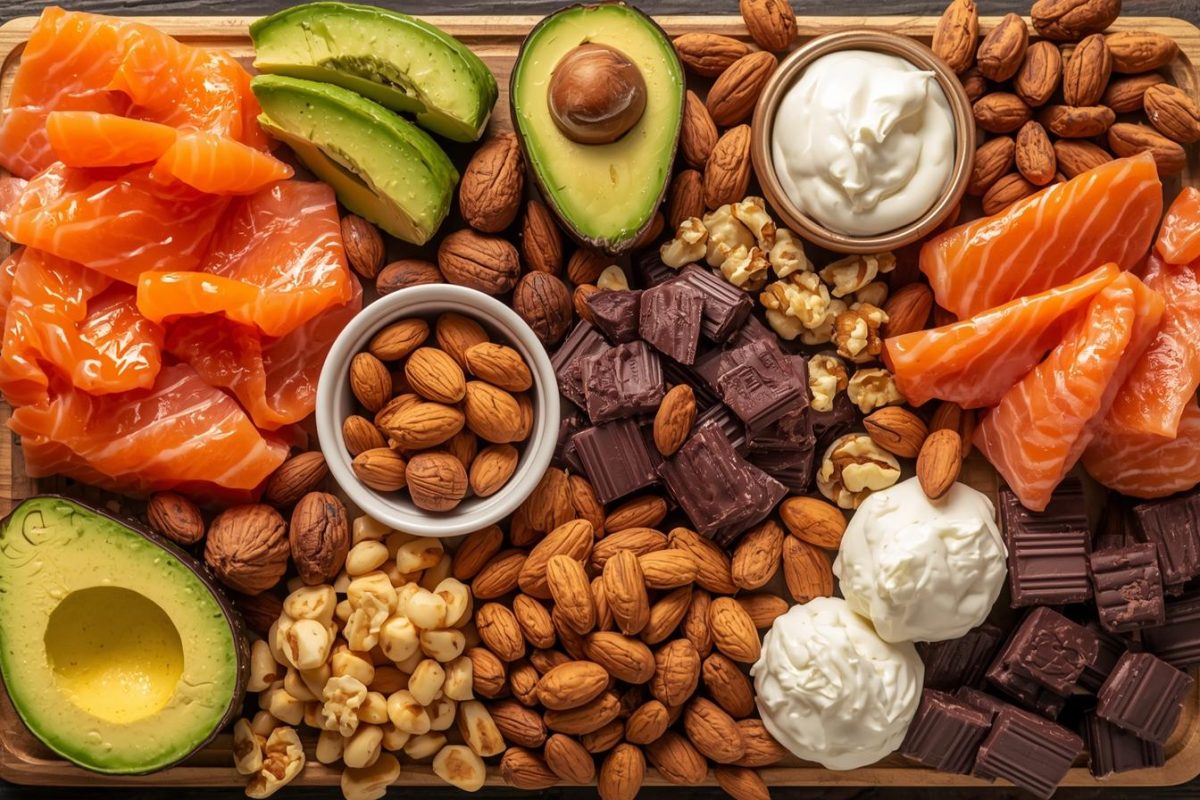
Most health articles focus on losing weight and reducing calorie intake. But many people need to gain or maintain weight. It’s not about eating more, but eating better. It’s important to eat nutrient-dense, calorie-rich foods, which are suitable for your body—not just processed food that leaves you feeling lethargic.
Understanding Healthy High-Calorie Foods
High-calorie foods are not necessarily unhealthy. Nutritional value refers to the difference between high-calorie, healthy foods and those that are unhealthy. Along with the calories, more nutritious options contain vitamins, minerals and healthy fats. What are some unhealthy choices? These foods are mostly refined carbohydrates, sugar and unhealthy fats. They have little nutritional value.
You can give your body the energy it needs to grow muscles, improve immunity, and maintain good health by choosing nutrient-dense, high-calorie foods.
Best Healthy High-Calorie Foods for Weight Gain
Nuts & Seeds: Nature’s Calorie bombs
When it comes to healthy fat gain, nuts are underrated. Nuts are a great source of healthy fats, protein and fibre. A handful of almonds contains about 23 nuts. You’ll also get healthy fats and minerals such as magnesium and zinc.
Even easier is the use of nut butters. Peanut butter is a great way to add calories. Two tablespoons will give you 190 extra calories in your apple slices, smoothie, or toast. Cashew butter or almond butter will also work. Tahini is a sesame paste. You can boost your calorie intake with a simple jar of tahini.
Fatty Fish: Omega-3 Powerhouses
High-calorie fish, such as salmon, mackerel, and sardines, are also rich in omega-3 fats and high-quality proteins that promote brain health. The typical salmon fillet is approximately 350 calories and contains all the amino acids your body requires. You can grill, bake, or pan-sear it. Add a little olive oil to add extra calories.
Whole Grains and Starchy Carbs
Complex carbohydrates, such as brown rice, quinoa, and oats, provide sustained energy. A cup of quinoa contains approximately 220 calories and provides all the essential amino acids. A medium sweet potato has 180 calories.
These foods make great meal bases. Think of quinoa salads with added protein and vegetables, or sweet potatoes baked with a variety of toppings.
Full-Fat Dairy Products
Full-fat dairy products are the best option if you can tolerate them. The difference between skim and whole milk is about 80 calories. Greek yogurt with full-fat contains 220 calories, but also provides probiotics. A single ounce of cheese contains 115 calories.
Make smoothies using whole milk, Greek Yogurt, fruit, and nuts for an easy-to-drink beverage with 500 calories or more.
Dried Fruits: Concentrated Nutrition
Dried fruits contain more calories per serving than fresh fruits. Dates contain about 120 calories per quarter cup, while raisins have 130 calories. These are portable and shelf-stable. They can be added to yogurt, oatmeal or trail mixes.
Healthy Oils and Fats
Avocado oil, olive oil and coconut oil are easy ways to increase calories. One tablespoon of avocado oil has 120 calories. Use it to cook with, or drizzle it over salads or roasted vegetables. This is one of the easiest ways to add calories that enhances taste.
Eggs: Versatile Protein Sources
One large egg contains about 70 calories and 6 grams of protein, as well as various vitamins and minerals. Don’t forget the yolk, which includes most of these nutrients. You can scramble them with cheese or make omelets with lots of vegetables and cheese. Alternatively, you can hard-boil them to enjoy as a snack.
Dark Chocolate: A Delicious Addition
Chocolate can indeed be good for you! Dark chocolate containing 70% or more cocoa has approximately 170 calories per ounce. It also contains antioxidants, magnesium, iron and other nutrients. You can satisfy your sweet tooth while getting real nutritional value. Just stick to moderate servings.
Strategies to Success
Increase your caloric intake without forcing yourself to consume large meals. Focus on eating frequently, aiming for at least three meals and two to three snacks per day. Choose calorie-dense foods to make every mouthful count.
Smoothies and Shakes are great for overcoming an appetite problem. Mix bananas, peanut butter and whole milk with oats. Add a protein powder scoop for a 600+ calorie beverage.
Store healthy snacks high in calories and make them visible. Keep nuts, dried fruit, and nut butters in your pantry. Prepare calorie-dense meals ahead of time so you always have healthy choices available.
Final thoughts
You can healthily gain weight by eating foods that are high-calorie and rich in nutrients. They will fuel your body correctly, supporting energy, muscle growth, and overall health. Be consistent and incorporate a few foods from this list into your diet. You’ll notice results quickly without compromising your health.

Health & lifestyle content researcher focused on preventive wellness, fitness habits, and practical healthy living. Articles are created based on research, editorial guidelines, and real-world lifestyle insights.