 admin
admin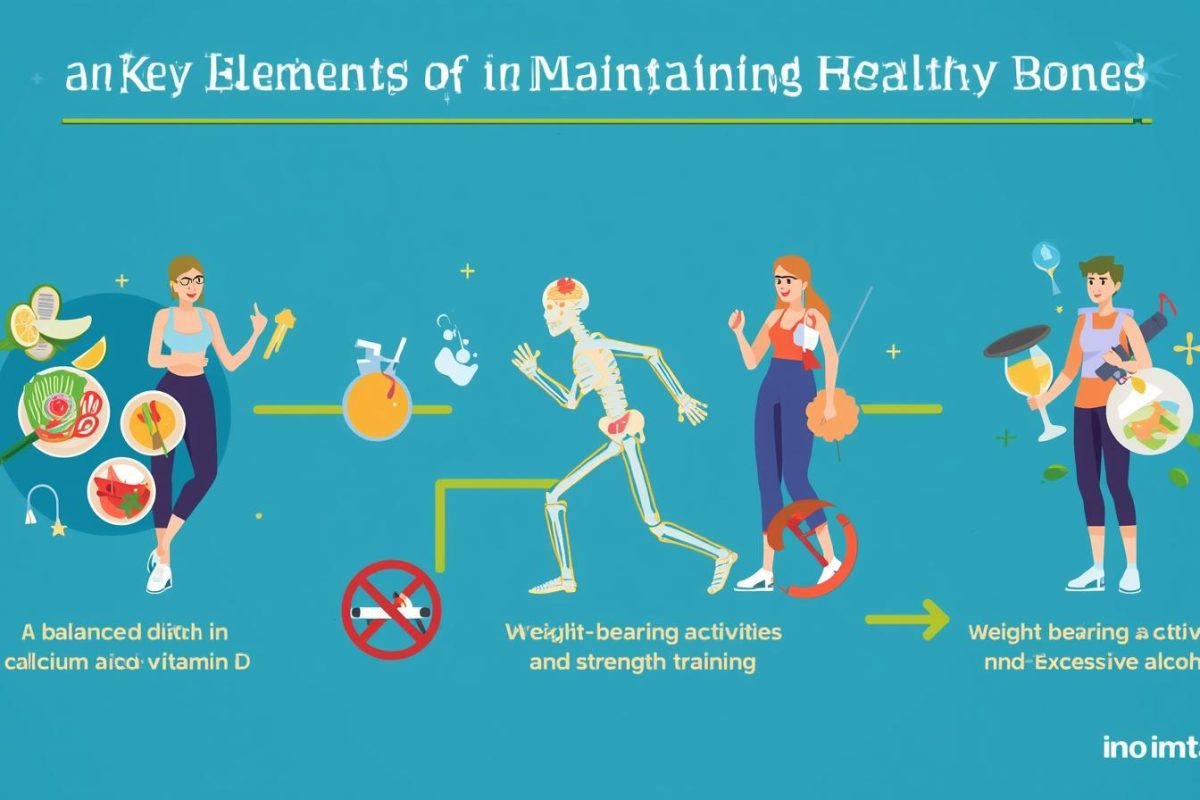
Healthy bones are essential for mobility, strength, and overall well-being. Bone density decreases as we age. This increases the chances of osteoporosis and fractures. It’s good to know that consistent habits can help build strong bones. The comprehensive guide provides expert recommendations on maintaining healthy bones, drawing on insights from leading health authorities, including the NIH, WHO, and IOF.
Why Bone Health is Important
The bones may appear rigid, but they are actually living tissue that constantly rebuilds itself. According to research from the National Institutes of Health, peak bone mass typically occurs in young adulthood, and bone loss begins around age 30. A low peak bone mass can increase the risk of developing osteoporosis in later life.
The International Osteoporosis Foundation states that nutrition, exercise and healthy lifestyle choices have a significant impact on long-term bone strength. Early habits that are maintained help protect bones.
Calcium and Bone Health: Best sources of calcium
The foundation for bone health is calcium. If you don’t eat enough calcium, your body will draw calcium from your bones. This weakens them.
Calcium-rich foods:
- Milch, yogurt and cheese
- Leafy greens
- Foods fortified with calcium (cereals, tofu and plant-based milk)
- Fish in cans with soft bones, such as sardines and salmon
The National Institutes of Health recommends obtaining calcium primarily from food and supplementation only when needed.
Make Sure You Get Enough Vitamin-D to Absorb Calcium
Vitamin D helps to absorb calcium. Even a diet high in calcium will not support healthy bone development if you don’t have enough vitamin D.
Vitamin D sources:
- Sunlight exposure (10-20 minutes, depending on skin type)
- Fatty fish
- Egg yolks
- Fortified foods (milk, cereals)
The Centers for Disease Control and Prevention( CDC) notes that vitamin D deficiency occurs worldwide and can be beneficial for specific individuals, especially when supplementation is done under medical supervision.
The Best Exercises to Strengthen Bones
Physical activity plays a crucial role in maintaining bone health. The World Health Organization recommends that adults engage in 150 minutes of moderate physical activity per week.
- Weight-bearing exercises:
- Walking is a brisk walk
- Jogging
- Hiking
- Dancing
- Jump Rope
- Strength-training exercises:
- Weight lifting
- Exercise with resistance bands
- Exercises that use body weight include squats and lunges
Exercise increases muscle strength, improves bone density, and lowers the risk of fractures.
Consume a balanced diet rich in minerals and protein
Calcium and vitamin D are not the only nutrients that contribute to healthy bones.
Nutrients necessary for bone health:
- Protein: Helps repair and maintain bone tissue (found in fish, eggs, beans, and lean meats).
- Magnesium activates vitamin D in nuts, seeds, bananas and whole grains.
- Vitamin K supports bone metabolism.
Balanced diets ensure that your bones receive the necessary nutrition for growth and protection.
Maintaining a Healthy Weight
Bone health can be negatively affected by both underweight and overweight conditions.
- Being underweight can lead to weaker bones.
- Being overweight puts stress on the joints and bones.
A healthy BMI supports bone density and reduces unnecessary stress on the skeletal system.
Consider bone density testing (Especially after age 50)
The following conditions are recommended to undergo a DEXA scan:
- Over 50 Adults
- Families with an osteoporosis history
- Postmenopausal women
- Smokers, those with high-risk factors (e.g., long-term steroid use, obesity, and smoking).
Early detection enables timely prevention and treatment, thereby significantly reducing the risk of fractures. Maintaining strong bones is a lifelong commitment. You can reduce your risk of developing osteoporosis by eating calcium-rich food, getting enough vitamin D and exercising.

Health & lifestyle content researcher focused on preventive wellness, fitness habits, and practical healthy living. Articles are created based on research, editorial guidelines, and real-world lifestyle insights.