
 admin
admin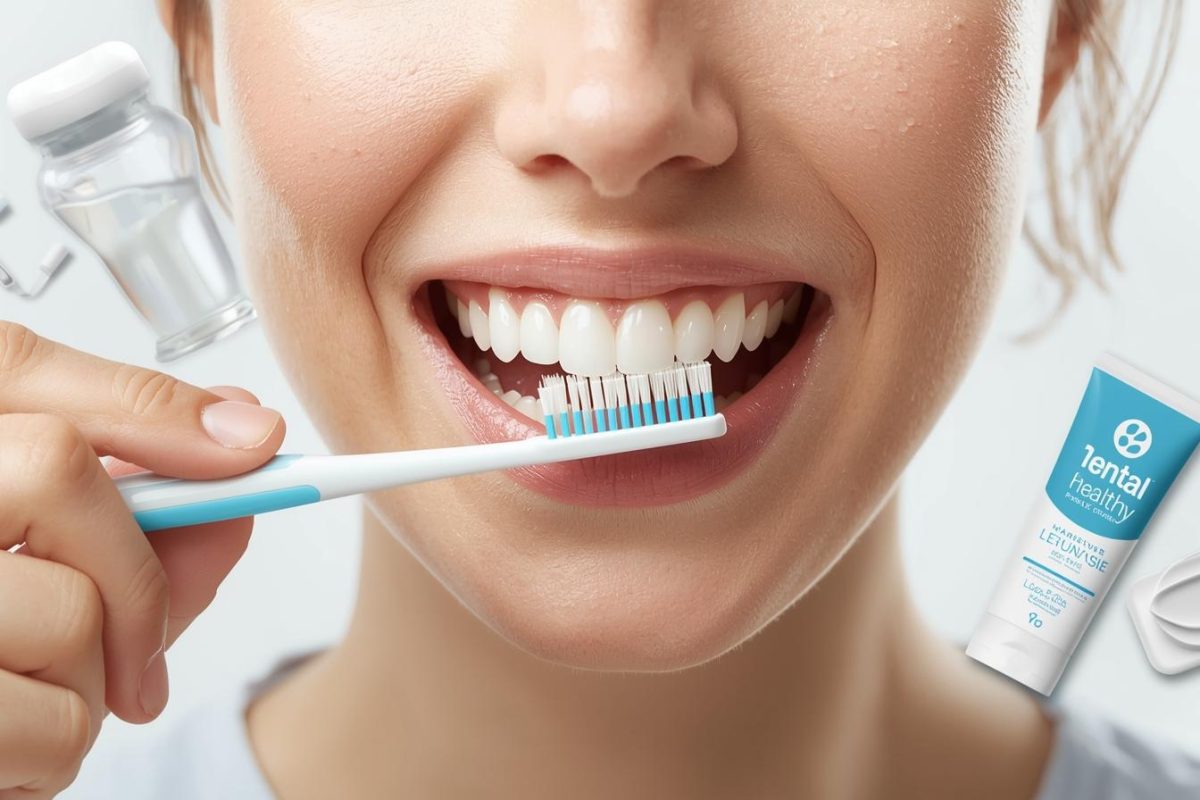
Maintaining optimal dental health goes beyond aesthetic concerns. Research has shown that healthy teeth and gums play a crucial role in overall health. This is because they are essential components for a systemic approach. This guide offers evidence-based tips for maintaining good oral health throughout your life.
Oral Hygiene: What is it and why should you care?
The term oral hygiene refers to the practices necessary for maintaining healthy teeth, gums, and other oral structures. Dental care is essential for preventing many conditions, including periodontal diseases, dental caries, and tooth loss. Oral health also has a significant impact on quality of life. It affects nutrition, communication, self-esteem, and social interaction.
Researchers have shown that gum disease can allow bacteria to enter the bloodstream, potentially causing serious complications, such as endocarditis and cardiovascular diseases, strokes and pneumonia. It may also cause pregnancy-related complications, including premature birth and low birth weight. These systemic diseases, such as diabetes, HIV/AIDS and Alzheimer’s, can also negatively affect oral health.
Basic Daily Oral Hygiene Techniques
Proper Tooth Brushing Technique
Oral hygiene is based on brushing your teeth twice a day with fluoride toothpaste. However, proper technique is essential for maximum effectiveness. Use a toothbrush with softer bristles to prevent gum tissue erosion and damage to tooth enamel. The toothbrush should be positioned at a 45-degree angle to the gumline. This will enable effective plaque removal and prevent bacterial accumulation at the critical intersection.
Use gentle, circular movements instead of aggressive back-and-forth scrubbing. This can cause tooth erosion or gum recession. Ensure that you clean all surfaces of the teeth, including the inner, outer, and chewing surfaces. The duration of brushing should be around two minutes to allow for thorough cleaning.
Replace your toothbrush every 3 to 4 months, or sooner if the bristles become frayed. Bristles that are worn out lose their effectiveness and can harbour bacteria.
Daily Interdental Cleaning
The interdental space is where plaque tends to accumulate. It is essential to floss daily to remove food particles, biofilm, and debris from areas that toothbrush bristles cannot reach.
The proper technique for flossing involves wrapping the ends of the dental floss around your middle finger while using your thumbs and fingers as a guide. Insert the floss gently between your teeth. Curl it in a C shape around each one and clean with vertical movements. This process should be repeated for each interdental space.
Interdental brushes or dental picks are effective options for individuals who have dexterity issues. Water flossers can remove food debris, but they do not eliminate biofilm. They should be used to supplement traditional flossing rather than replacing it.
Clean Your Tongue
It is believed that the papillated tongue surface harbours large bacterial colonies, which can contribute to halitosis or reinfections of previously cleaned teeth. Daily cleaning of the tongue with a tongue scraper or toothbrush can help reduce bacterial loads and freshen breath.
Use of Antibacterial Mouthwash
Antibacterial mouthwash can offer an extra layer of protection against harmful bacteria. Choose alcohol-free formulas to avoid dry mouth, which paradoxically increases bacterial growth. It is better to use mouthwash in addition to brushing, flossing and other oral hygiene measures.
Dietary Considerations to Improve Dental Health
Sugar Reduction
Sugar in the diet is a significant risk factor for dental decay. Sugars are metabolized by oral bacteria, which produce acids that demineralize enamel. Caries is significantly reduced by limiting sugar intake, particularly from processed foods and sweetened beverages. After eating sugary foods, rinse your mouth with water or brush your teeth immediately afterward to help prevent tooth decay.
A Balanced Diet
A nutrient-rich, balanced diet promotes oral health in multiple ways. Vitamin C and calcium promote healthy gum tissues, while phosphorus helps strengthen the tooth structure. Include dairy, nuts, fish and leafy greens in your regular diet. They provide essential minerals and vitamins for dental health and overall systemic well-being.
Achieve Adequate Hydration
The benefits of water consumption for dental health are numerous. Water is an effective way to wash away bacteria and food particles, stimulate salivation, and maintain your mouth at the optimal pH level. The minerals and antimicrobial substances in saliva remineralize enamel. Water is especially beneficial for oral health after eating, when brushing teeth immediately would be difficult.
Professional Dental Care
Regular Dental Examinations
Early detection of dental problems enables less-invasive and more affordable treatment. The American Dental Association suggests dental examinations at intervals determined by each patient’s risk factors. Although many patients can benefit from a six-month cleaning, some may need more frequent appointments if they have elevated risks such as diabetes or periodontal disease.
Professional cleanings are necessary to remove the calcified (tartar-like) plaque that is impossible to eliminate through regular home care. Dental professionals are also able to detect early signs of conditions such as oral cancer and temporomandibular disorders.
Early Detection of Problems
It is crucial to seek professional advice as soon as possible if you are experiencing any symptoms. This will prevent minor problems from escalating into complex and intensive treatment. Constant tooth pain, bleeding, and loose teeth are all warning signs that require immediate consultation with a dentist. Other symptoms include chronic halitosis (bad breath), gum recession, persistent mouth sores that do not heal, swelling of the jaw, and tooth sensitivity.
The Lifestyle Factors that Affect Oral Health
Tobacco Cessation
Smoking or using smokeless tobacco is a significant cause of oral cancer, discoloration and halitosis. Tobacco products reduce the blood supply to gum tissue and can interfere with the healing process. The benefits of quitting tobacco are significant for both oral and overall health. Health care providers can offer evidence-based tobacco cessation programmes and pharmaceutical interventions to support successful smoking discontinuation.
Dental Injury Prevention
By protecting teeth against physical trauma, you can prevent fractures, avulsions and other serious injuries that require complex treatment. Mouthguards should be worn by individuals who participate in contact sports. Use your teeth to open packages and containers. Avoid chewing on hard materials, such as ice, popcorn kernels, or hard candies.
Teeth Whitening Considerations
Incorrect teeth-whitening methods can cause enamel damage and tooth sensitivity. The use of a professional whitening procedure, supervised by a qualified dentist, ensures the safe application of the product. Over-the-counter products can contain high concentrations of bleaching or abrasive agents that may be harmful to the dental structure.
Pediatric Oral Health
Instilling good oral hygiene in children will promote dental health for life. As soon as the teeth appear, begin cleaning them with a baby toothbrush or soft cloth. Supervise brushing as children grow to ensure they use the correct technique and maintain sufficient duration. To prevent caries in early childhood, avoid giving infants sweetened drinks and foods.
Plan initial dental appointments around the child’s first birthday. This enables dental professionals to monitor dental growth, provide anticipatory guidance, and foster positive associations with dental care.
You can choose the right oral care products.
Prioritize products that display the American Dental Association Seal of Approval, which indicates rigorous testing for safety and effectiveness. These include toothpastes and toothbrushes as well as floss, mouthwashes and other dental products. For personalized recommendations, consult a dental professional to address your specific oral needs.
The conclusion of the article is:
Regular dental visits and the application of proven oral hygiene techniques are essential to maintaining healthy gums. Comprehensive dental care is a crucial component in maintaining overall health, given the relationship between systemic and oral health. Individuals can keep their natural dentition and optimal oral health by using proper brushing and flossing techniques, eating a balanced diet, refraining from smoking, protecting their teeth against injury, and undergoing regular dental exams. Preventive dental care, combined with early intervention to address emerging issues, is the most effective and cost-efficient way to maintain long-term oral health.

Health & lifestyle content researcher focused on preventive wellness, fitness habits, and practical healthy living. Articles are created based on research, editorial guidelines, and real-world lifestyle insights.