
 admin
admin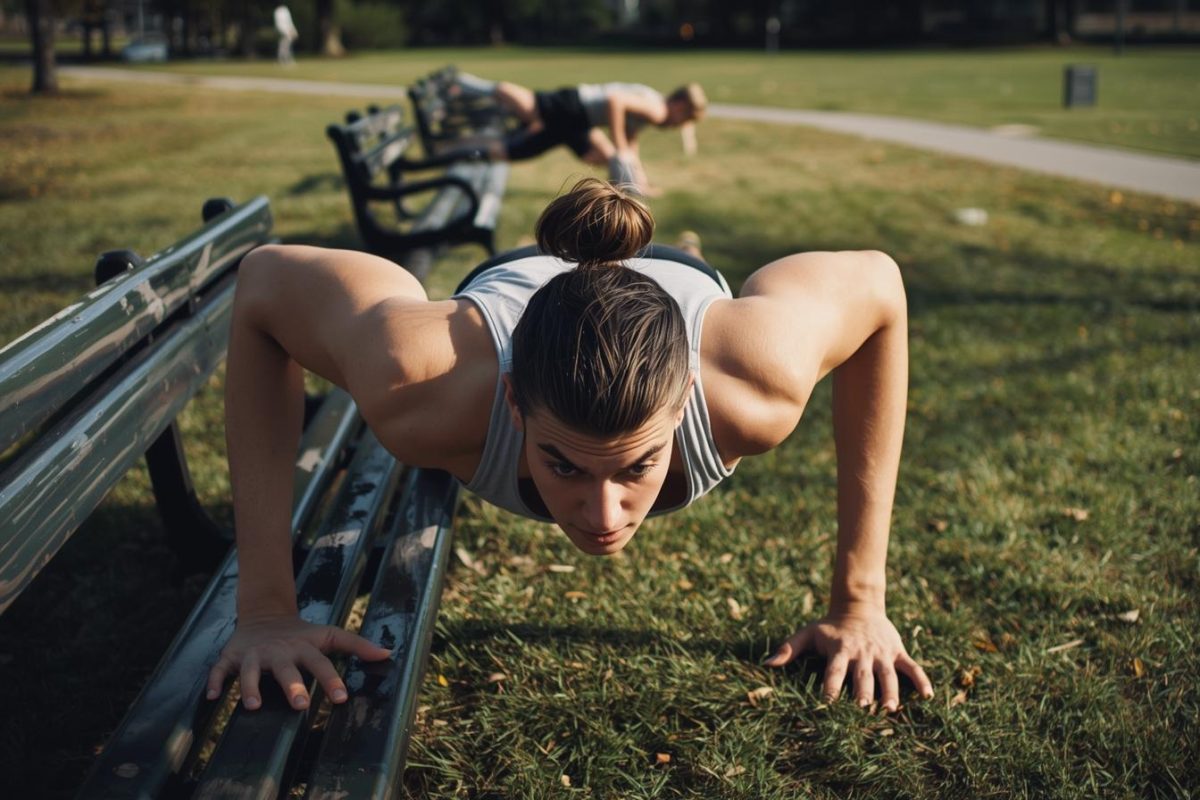
It is not necessary to spend a lot of money on gym memberships or equipment. You can maintain optimal health without specialized fitness centers. Although structured gym environments are valuable, research indicates that individuals can maintain and achieve excellent fitness through alternative methods. This guide provides evidence-based methods for establishing and maintaining a fitness regime outside of traditional gym environments.
Understanding the Fundamentals of Physical Activity
Physical activity has many health benefits, including a reduced risk of heart disease, diabetes and obesity. It also reduces the likelihood of certain mental disorders. Physical benefits include improved muscle strength, improved balance, improved coordination and better sleep. Exercise is a substitute for the physical labour our ancestors performed every day. This helps us to see fitness in broader terms, as a fundamental movement of humans rather than just specialized gym activities.
Exercise without a Gym: Essential Tips
Maximize Walking Opportunities
The walking exercise is one of the best cardiovascular exercises. It’s also underrated. Low-impact exercise is easy to perform, doesn’t require any equipment and can be done anywhere. It offers numerous health benefits when incorporated into your daily routine. Regular walking can improve cardiovascular health and reduce body fat.
To increase daily walking, several strategies can be employed. These include parking cars further away from the destination, using stairs rather than elevators when possible, walking while on the phone, scheduling walking meetings, and creating regular walking routines in your neighbourhood or parks. You can achieve this by accumulating shorter walking sessions during the day.
Use Bodyweight Exercises
Exercises that utilize only your body weight can be an efficient way to strengthen muscles without the need for equipment. The functional exercises work multiple muscles simultaneously to improve overall strength and endurance. Squats are a great way to start. Other exercises that you can do with your body weight include lunges and planks.
Bodyweight exercises can be structured by doing two or three sets of 10 to 15 repetitions. You can increase the difficulty by incorporating variations such as single-leg push-ups, decline push-ups, and extended plank holds. The consistency of your workouts is more important than the intensity. Even brief sessions, lasting 15-20 minutes, can yield significant benefits.
Use household items as exercise equipment.
When you creatively use everyday household objects, there is no need to purchase expensive fitness equipment. Weighted exercises, such as biceps curls, shoulder presses, overhead extensions, and weighted Squats, can be performed using water bottles, laundry detergent, or canned goods. Chairs are useful for seated exercises, step-ups and dips. Towels are useful for resistance exercises and stretching.
The approach is not only cost-effective, but it also shows that the most effective exercises are based on consistency and quality of movement rather than sophisticated equipment.
Leverage Online Fitness Resources
A wide range of free digital fitness content is available for users with varying levels of experience and preferences. YouTube, fitness apps, and websites offer guided workout videos that cover cardio training, strength building, flexibility, yoga, Pilates and dance fitness.
They offer incredible flexibility. Individuals can exercise at their convenience, choose their preferred style of workout, adjust the intensity, and make progress at their own pace. Most programs are designed for use at home and require minimal equipment.
Incorporate Stair Climbing
Exercises that strengthen the lower body and improve cardiovascular fitness include stair climbing. Stair climbing is more effective than jogging in terms of burning calories. It also improves cardiovascular fitness and balance. You can use stairs to increase your daily activity in public places, residential buildings or at work.
Start slowly, increasing the duration and intensity of your sessions. To improve cardiovascular health, consider alternating you climbing speed or incorporating stair intervals into your walking regimen.
Turn Household Tasks into Exercise
When performed with energy and intention, household chores can be a great way to get moving. Other household chores, such as window cleaning, gardening, lawn mowing, and sweeping, also engage different muscle groups. When household tasks are viewed as opportunities for fitness, rather than just obligations, they become more enjoyable and fulfilling.
Add lunges to your household chores by keeping a brisk pace and engaging the core throughout. You can also incorporate calf lifts or lunges into you routine while washing dishes.
Establish Active Recreation Habits
Physical activity that involves recreation can be both fun and good for you. Recreational sports, such as swimming, biking, dancing, hiking, and playing active games with pets or children, offer cardiovascular and strength benefits while also reducing stress.
Finding physical activities that you enjoy increases your commitment to regular exercise. It is not necessary for physical activity to feel like “exercise” to reap substantial health benefits.
Prioritize flexibility and mobility work.
Exercises that improve flexibility and mobility are often overlooked, but they’re essential to maintaining functional movements, preventing injuries, reducing muscular tension and supporting your overall health. Stretching, mobility, and yoga routines improve range of motion. They also help to reduce chronic pain, enhance posture, and facilitate muscle recovery.
Stretch major muscle groups for 10-15 minutes a day. Focus on tight areas such as the hip flexors and hamstrings. Also, stretch your shoulders and back muscles. Stretching routines in the morning or at night can be a great way to end your day and promote relaxation.
Include movement in your daily routines.
Non-exercise Activity Thermogenesis (NEAT) refers to the continuous, low-intensity movements that occur throughout the day. This contributes significantly to metabolic health and overall energy expenditure. Long-term sedentary behaviours are associated with an increased risk of poor health, independent of structured exercise.
Standing or walking during meetings is a great way to increase daily activity. You can also stretch while you watch television and take short breaks from prolonged inactivity.
Organize Outdoor Activities
Nature exposure provides additional benefits to the mind through outdoor environments. Physical activity, such as walking, jogging or cycling, can be combined with exposure to fresh air and natural light, while also allowing for gardening and exploring nature.
Many community parks offer free walking paths, fitness stations and recreation facilities. They provide a range of outdoor exercises that promote cardiovascular fitness, muscle development, and flexibility.
Exercise Habits That Last a Lifetime
Consistency is more important than intensity in maintaining fitness without a gym. Long-term compliance is enhanced by establishing realistic and achievable workout routines tailored to each individual’s specific circumstances, fitness level, and preferences. Start with small commitments. Gradually increase duration and intensity when fitness and confidence improve.
Environmental and social factors influence exercise maintenance. Participating in family or friend activities, setting up specific times for exercise, pre-preparing equipment or exercise areas, and keeping track of progress in journals or apps are all ways to encourage consistent engagement.
Addressing Common Barriers
Exercise barriers are often attributed to time constraints. The benefits of short, daily sessions are similar to those gained from longer continuous sessions. When calculating the recommended daily levels of activity, ten-minute bouts are sufficient for most individuals.
Exercise can become monotonous and lose its appeal when it becomes boring. Exercise with friends, using your favourite music, or listening to podcasts can keep you motivated.
The conclusion of the article is:
You can still achieve optimal physical health without a gym by incorporating walking, bodyweight exercises, daily activities, outdoor recreational activities, and maintaining a consistent level of movement. It is essential to commit yourself to a regular exercise program using readily accessible resources and settings. Exercise can be reframed as a natural movement of the body, rather than an activity that is confined to a gym. This will help individuals develop sustainable and effective fitness habits, which support lifelong health. When alternative methods are used consistently and with thought, the absence of gyms does not have to be an obstacle in achieving excellent fitness.

Health & lifestyle content researcher focused on preventive wellness, fitness habits, and practical healthy living. Articles are created based on research, editorial guidelines, and real-world lifestyle insights.