 admin
admin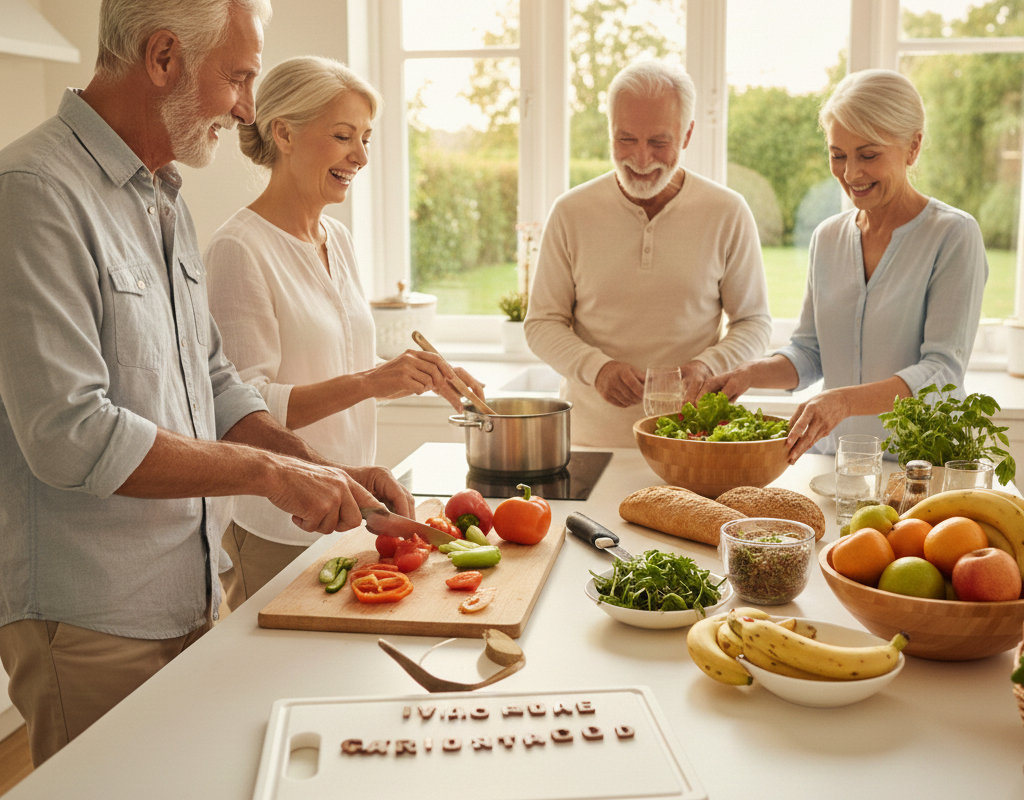
Reaching 65 indeed represents a significant milestone in life, but this does not mean the end of an active and vibrant lifestyle. With the proper approach to health and well-being, your years beyond 65 can be among the most enjoyable and fulfilling. As we grow older, it becomes increasingly crucial to understand how to maintain our physical and mental well-being.
Exercise and Physical Activity: The Foundation
Exercise is one of the best ways to maintain good health even after the age of 65. Exercise helps maintain muscle mass and bone density. It also improves balance. It also reduces the risk of falls, which are a significant cause of injury among older adults.
Experts recommend that you engage in at least 150 minutes of moderate-intensity aerobic exercise per week. This can be divided into five 30-minute sessions. Exercises such as swimming, dancing, and brisk walking are all considered forms of cardiovascular exercise. It is essential to choose activities that you enjoy, as they will increase your motivation and commitment.
Both strength training and cardio should be given equal consideration. Two-weekly resistance band exercises, bodyweight exercises, and light weights can help counteract age-related muscle loss. Simple exercises that target major muscle groups are efficient. These sessions don’t have to be difficult.
Exercises that improve flexibility and balance, such as tai chi, yoga, or stretching exercises, can reduce the risk of falling while also improving mobility. There are many senior centers and community centers that offer classes specifically designed for seniors.
Nutrition: Fueling Your Body Appropriately
Nutritional awareness is crucial for maintaining good health beyond the age of 65. Dietary requirements for optimal function are met by a well-balanced, healthy diet that includes fruits, vegetables, and whole grains.
As we age, protein intake is crucial for muscle repair and maintenance. At every meal, include protein-rich foods such as fish, poultry, and legumes. Fish like mackerel and salmon are rich in omega-3 fats that promote heart and brain function.
After the age of 65, calcium and vitamin D requirements increase to maintain bone health and reduce the risk of osteoporosis. Dairy products, fortified food, and the appropriate use of supplements can meet these needs. Consult your healthcare provider about the correct dosage for you.
Although it is crucial to many bodily functions, hydration can often be neglected by older adults. Even if your thirst signal diminishes with age, aim to drink enough fluids throughout the day to stay hydrated.
Mental Health and Cognitive Function
Maintaining cognitive health requires proactive engagement. Reading, solving puzzles, learning new things, and taking classes can help maintain cognitive function. Meaningful social interaction is also essential, as it combats loneliness and depression, while also providing mental stimulation.
Stress management through mindfulness, relaxation, and meditation techniques can support both physical and mental health. A good night’s sleep, usually seven to eight hours per day, allows the mind and body to rejuvenate and repair. Sleep quality is improved by creating a comfortable sleeping environment and establishing a consistent sleep schedule.
Although depression and anxiety are common in older adults, they should not be brushed aside as part of normal aging. When you are experiencing anxiety or persistent sadness, it is essential to seek professional help.
Preventive healthcare and medical management
After 65, regular health screenings are more important than ever. The annual physical exam, cancer screenings, and cardiovascular assessment, as well as vision and hearing testing, help detect potential problems early, when treatment is most effective.
As many seniors take multiple prescriptions, it is crucial to manage their medications closely. By keeping up-to-date medication lists, understanding the purpose of each drug, and discussing potential interactions with your healthcare provider, you can minimize complications. When experiencing side effects, never hesitate to explore alternatives or ask your healthcare provider about the prescribed treatment.
Vaccinations are still necessary as a preventive measure. Vaccinations against the flu, pneumonia, and shingles are recommended annually to protect older adults from serious diseases.
The Purpose of Social Connectivity
The health benefits of maintaining social relationships and a sense of purpose are significant. Maintaining family relationships, volunteering, joining groups or clubs, or participating in community or religious organizations provides structure and meaning.
It is essential to keep life interesting and fun by pursuing hobbies. During this stage of life, many older adults find new talents and interests.
The Lifestyle Factors that Matter
It is important to limit alcohol and avoid tobacco, regardless of your age. The benefits of quitting smoking are present at all ages, while abstinence or moderate alcohol consumption is beneficial to the liver, cognition, and effectiveness of medication.
Improved lighting, the removal of tripping hazards, and the installation of grab bars are all home safety improvements that can help prevent accidents and promote independent living.
The conclusion of the article is:
To stay healthy, you need a holistic approach that encompasses physical activity, a balanced diet, mental stimulation, preventive healthcare, and social connections. Aging brings about changes, but it also provides opportunities for enjoyment, fulfillment, growth, and satisfaction. By following these proven strategies and maintaining regular contact with their healthcare provider, older adults can optimize their health and independence, ultimately thriving in their golden years. A commitment to good health can yield significant returns in terms of quality of life as well as longevity.

Health & lifestyle content researcher focused on preventive wellness, fitness habits, and practical healthy living. Articles are created based on research, editorial guidelines, and real-world lifestyle insights.